A subscription to JoVE is required to view this content. Sign in or start your free trial.

Method Article

The Effect of Aspirin and Ibuprofen on the Phagocytic Ability of Macrophages

1.3K views

⸱

December 23rd, 2025

In This Article

Abstract

Source:
Adepemi O. Ogundeji1, Nozethu Mjokane1, Maphori Maliehe1, Olihile M. Sebolai1

1Department of Microbiology and Biochemistry, University of the Free State.

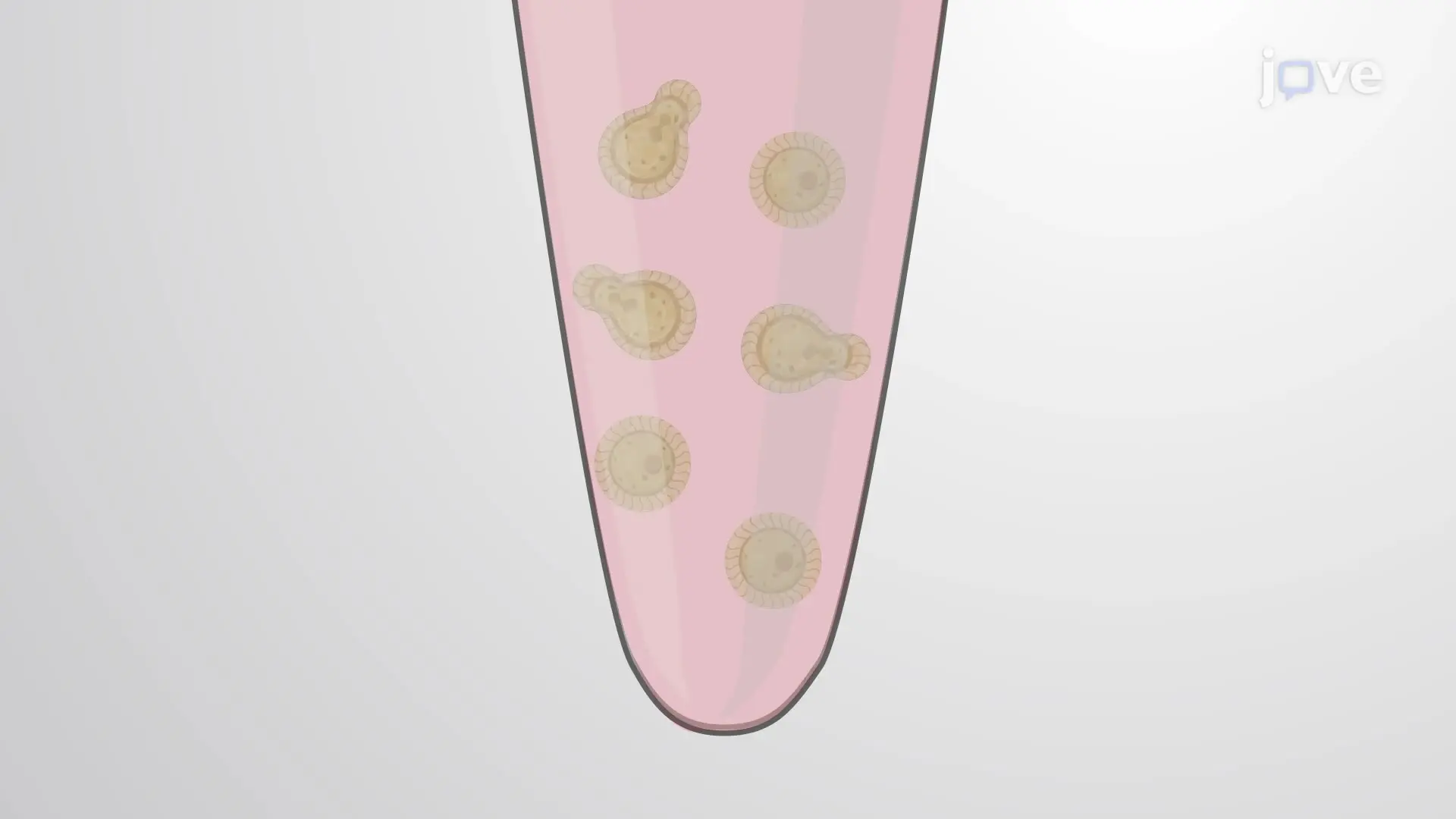
This video showcases a method to assess the impact of aspirin and ibuprofen, at their minimum inhibitory concentrations, on macrophage phagocytosis using pH-sensitive fluorescent dye-stained fungal cells. The drugs inhibit cyclooxygenase-2, decreasing prostaglandin formation and boosting macrophage phagocytosis, as observed through fluorescence measurements of pH-sensitive dye.
Protocol

1. Safety considerations

  1. Personnel should use personal protective equipment (PPE).
  2. Handle the pathogen and macrophages in a Class II Biological safety cabinet.

2. Preparation of macrophages

  1. Cultivate a murine macrophage cell line, RAW 264.7, in a tissue flask containing 10 mL of Roswell Park Memorial Institute-1640 (RPMI-1640) medium, supplemented with 20 mg/mL streptomycin, 2 mM L-glutamine, 20 U/mL penicillin and 10% fetal bovine serum (FBS).
  2. Place the flask in a 5% carbon dioxide (CO2) incubator set at 37˚C until 80% confluence is achieve....

Access restricted. Please log in or start a trial to view this content.

Explore More Articles

Macrophage PhagocytosisAspirin EffectIbuprofen EffectCryptococcus StainingpH-Sensitive DyeFluorescence MeasurementCyclooxygenase-2 InhibitionMinimum Inhibitory ConcentrationPhagolysosome FormationDrug Uptake Assay